
Rakaposhi
Rakaposhi
Rakaposhi
About
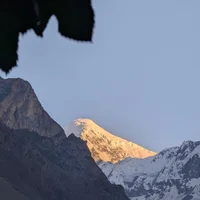
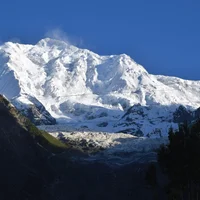
Rakaposhi, locally known as Dumani and part of the Karakoram range in Gilgit-Baltistan's Nagar District, Pakistan offers a challenging mountaineering experience for seasoned climbers due to its elevation reaching 7788 meters above sea level. The mountain is situated at the junction between two valleys - Nagar and Bagrote – making it an imposing sight in their shared landscape. Rakaposhi boasts a unique geographical feature, being one of only peaks on Earth that descends directly for approximately 6000 meters from its summit to base without interruption.
Frequently Asked Questions
When is the best time to visit Rakaposhi?
The best time to visit is during June, July and August. These months offer the most favorable conditions for visitors.
What is the elevation of Rakaposhi?
Rakaposhi is located at an elevation of approximately 7,788 meters (7.8 km) above sea level.
How difficult is the trek to Rakaposhi?
The difficulty level of Rakaposhi is rated as Hard — requires excellent fitness, prior trekking experience, and proper gear.
Do I need a guide for Rakaposhi?
Yes, a guide is recommended for Rakaposhi. Hiring a local guide enhances safety and provides valuable insights about the area.
Is Rakaposhi family-friendly?
Rakaposhi may not be suitable for young children due to terrain or conditions. Consider the difficulty before bringing family.
What permits are required for a Rakaposhi expedition?
An official mountaineering permit and a royalty fee, which can range from $700 to $2,500 depending on the season, are required by the Gilgit-Baltistan Tourism Department. Additionally, climbers must pay a waste management fee and attend a formal briefing in Islamabad or Gilgit.
Do I need a permit for the Rakaposhi Base Camp trek or climb?
A climbing permit and royalty fee are required for the summit, while trekkers to the base camp must pay a trekking fee and bridge crossing fees. A government-licensed guide is mandatory for all expeditions in this area.
What facilities are available at the Rakaposhi Base Camp?
The Tagaphari base camp features established camping spots with access to clean spring water. During the peak season, some local operators set up mess tents with basic kitchen facilities and solar power for charging small devices.
What facilities can I find at Rakaposhi Base Camp (Tagaphari)?
The base camp offers basic camping spots with access to fresh stream water at nearby Hapakun. Organized expeditions provide full kitchen setups, dining tents, and solar power, while independent trekkers must bring all their own supplies.
What rescue services are available for climbers on Rakaposhi?
High-altitude rescue is provided by military helicopters, which must be coordinated through a licensed tour operator and require a prior rescue deposit. Basic first aid and emergency oxygen are typically managed by the expedition's own support staff.
Is helicopter rescue available for Rakaposhi?
Yes, helicopter rescue is available but requires a rescue bond to be deposited in advance. For minor issues, most teams carry basic first aid kits and rely on satellite phones for emergency communication.
What is the primary weather window for summiting Rakaposhi?
The primary window for summit attempts is July and August. During these months, the temperatures are relatively manageable, and the 'Mother of Mist' is less likely to be obscured by the heavy cloud cover common in the shoulder seasons.
When is the best weather window for a Rakaposhi expedition?
The most reliable weather windows occur from mid-June to mid-August. High winds are common near the ridges, so climbers look for periods of low wind speed for their final ascent.
Weather
Location
You might also like…
Similar attractions in Nagar
Reviews
No reviews yet. Be the first to share your experience!
