
Nanga Parbat
Nanga Parbat
Nanga Parbat
About
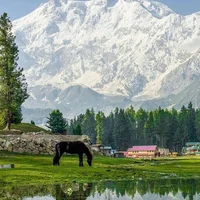
Nanga Parbat, locally known as Diamer and situated in the Gilgit–Baltistan region of Pakistan's administered Kashmir, stands at an elevation of 8,126 meters (approximately 27 thousand feet), making it one of Earth’s ninth-highest mountains. This towering peak is located immediately southeast from the northernmost bend in the Indus River and marks a significant point as western anchor for Himalayas when considered within traditional boundaries defined by both, Indus and Yarlung Tsangpo/Brahmaputra rivers.
Frequently Asked Questions
When is the best time to visit Nanga Parbat?
The best time to visit is during June, July and August. These months offer the most favorable conditions for visitors.
What is the elevation of Nanga Parbat?
Nanga Parbat is located at an elevation of approximately 8,126 meters (8.1 km) above sea level.
How difficult is the trek to Nanga Parbat?
The difficulty level of Nanga Parbat is rated as Hard — requires excellent fitness, prior trekking experience, and proper gear.
Do I need a guide for Nanga Parbat?
Yes, a guide is recommended for Nanga Parbat. Hiring a local guide enhances safety and provides valuable insights about the area.
Is Nanga Parbat family-friendly?
Nanga Parbat may not be suitable for young children due to terrain or conditions. Consider the difficulty before bringing family.
What specific permits do international climbers need for a Nanga Parbat expedition?
Foreign expeditions must obtain a climbing permit from the Gilgit-Baltistan Council and the Ministry of Tourism, which usually involves hiring a government-appointed Liaison Officer. These permits should be applied for several months in advance through a registered Pakistani trekking and climbing agency.
What are the permit requirements for a Nanga Parbat expedition?
Climbing Nanga Parbat requires a formal mountaineering permit from the Gilgit-Baltistan Council, which involves paying a royalty fee that varies by season. Foreign expeditions must also be accompanied by a government-appointed Liaison Officer for the duration of the climb.
Are there medical or rescue services available at the Diamir Base Camp?
There are no permanent medical facilities at the base camp, so expeditions must bring their own comprehensive medical kits and often a dedicated doctor. Emergency rescues are conducted via military helicopter and require a pre-deposited bond or valid high-altitude insurance to be activated.
What facilities are available at the Diamer Face base camp?
The Diamer Face base camp is a seasonal hub for international expeditions and typically includes professional mess tents, solar charging stations, and basic pit toilets set up by trekking companies. There are no permanent hotels, so all climbers and trekkers must reside in high-altitude tents.
What facilities are available for independent trekkers at the Diamir Face base camp?
Facilities at the Diamir Base Camp are minimal and seasonal, consisting mostly of temporary stone shelters and designated camping spots used by expeditions. Trekkers should be fully self-sufficient with food, fuel, and high-quality camping gear as there are no lodges or permanent tea houses.
Are rescue services actively stationed at Nanga Parbat?
While there are no permanent rescue teams on the mountain, the High Altitude Rescue Team (HART) and private helicopter services can be activated during the climbing season. All expedition members are required to have specialized insurance that covers high-altitude helicopter evacuation up to 8,000 meters.
When is the most stable weather window for attempting the summit?
The primary weather window occurs from late June to mid-July when the summer monsoon's influence is lowest and temperatures are relatively manageable. A secondary, much shorter window occasionally appears in early autumn, though it is significantly colder and riskier.
When is the most reliable weather window for a summit attempt?
The most reliable weather window for summiting is usually from late June to mid-July, just before the monsoon moisture begins to affect the Karakoram and Himalaya. A second, much colder window exists in the autumn, but most successful ascents occur during the summer climbing season.
Weather
Location
You might also like…
Similar attractions in Diamer
Reviews
No reviews yet. Be the first to share your experience!
