
Variety of flora and fauna in high-altitude areas
Variety of flora and fauna in high-altitude areas
Variety of flora and fauna in high-altitude areas
About
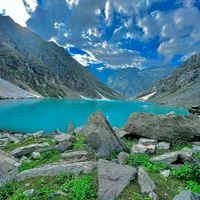
The high-altitude regions of Swat, specifically the Daral and Kabal valleys, are accessible solely by trekking during June, July, or August when weather conditions permit exploration at these elevations. These remote areas boast a rich variety in flora such as alpine herbs along with various shrubs interspersed among indigenous trees like deodar and pine species including chir and blue varieties. The valleys are also home to diverse bird populations, while larger mammals may occasionally be sighted if one is fortunate enough in their travels through these regions.
Tips
High-altitude meadows like Mankial and Gabyl are home to rare medicinal plants and birds. Always travel with a local guide to identify indigenous flora safely.
Frequently Asked Questions
When is the best time to visit Variety of flora and fauna in high-altitude areas?
The best time to visit is during June, July and August. These months offer the most favorable conditions for visitors.
How do I get to Variety of flora and fauna in high-altitude areas?
Variety of flora and fauna in high-altitude areas requires hiking or trekking to reach. No road access is available.
What should I know before visiting Variety of flora and fauna in high-altitude areas?
High-altitude meadows like Mankial and Gabyl are home to rare medicinal plants and birds. Always travel with a local guide to identify indigenous flora safely.
What are the best times to see rare alpine flowers?
The peak viewing time is from late June to early August when the high-altitude meadows are in full bloom following the snowmelt. During this window, you can see a vibrant variety of alpine herbs and shrubs that are dormant for the rest of the year.
Is it safe to explore these areas without a guide?
It is strongly recommended to hire a local guide familiar with high-altitude terrain and local wildlife behavior. They provide essential safety in case of sudden weather changes or encounters with predators like the Himalayan lynx.
Are binoculars necessary for these regions?
Binoculars are indispensable for scanning ridges for elusive species like the Markhor or Ibex. High-altitude viewing often involves long distances, so optics help you identify wildlife and rare plants on inaccessible cliffs.
Weather
Location
You might also like…
Similar attractions in swat

Reviews
No reviews yet. Be the first to share your experience!