
Shimshal Valley
Shimshal Valley
Shimshal Valley
About
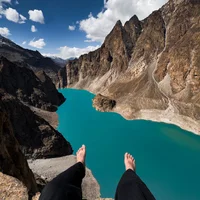
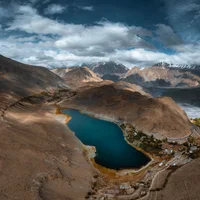
The Shimshal Valley in Gilgit–Baltistan region of northern Pakistan, specifically within Hunza District's Gojal tehsil, offers a unique exploration at an elevation of 3113 meters (approximately ten thousand feet). This remote valley is the highest settlement in its district and boasts expansive landscapes that encompass nearly all of Gilgit-Baltistan. Accessing Shimshal requires sturdy four-wheel drive vehicles due to rugged terrains, making it an adventure for those seeking offbeat destinations.
Tips
Ensure you are fully self-sufficient with food and medicine as the valley is extremely remote with minimal commercial shops.
Frequently Asked Questions
When is the best time to visit Shimshal Valley?
The best time to visit is during June, July and August. These months offer the most favorable conditions for visitors.
How do I get to Shimshal Valley?
A 4x4 vehicle is required to reach Shimshal Valley. Make sure your vehicle is in good condition for the terrain.
What should I know before visiting Shimshal Valley?
Ensure you are fully self-sufficient with food and medicine as the valley is extremely remote with minimal commercial shops.
How safe is the road journey to Shimshal Valley?
The road to Shimshal is considered one of the most adventurous and challenging in the world, requiring a high-clearance 4x4 vehicle and an experienced local driver. While the terrain is rugged, the valley itself is known for being extremely peaceful and welcoming to tourists.
Where can I rent camping equipment in Shimshal?
Most camping gear should be arranged in Hunza or Gilgit, as local rental options within Shimshal village are very limited and usually reserved for organized expeditions.
What unique experiences can I have in Shimshal?
Visitors can experience 'Nomos,' a unique centuries-old community tradition of social support, and enjoy traditional Wakhi dancing. Staying in a traditional stone-and-mud house and trying 'chaindok'—a local chapati with yak butter—are also highlights of the valley.
Are there specific rules for campfires in the valley?
Firewood is a precious resource in this high-altitude desert; visitors are encouraged to use gas stoves for cooking instead of burning local shrubs or wood.
Are there any food and supply stores in the valley?
Food options are basic and typically limited to what is served at local guesthouses. It is highly recommended to bring your own specialized trekking food and essential supplies from Gilgit or Karimabad, as variety is limited in this remote location.
What wildlife should I be aware of when trekking and camping?
Shimshal is home to Ibex and Blue Sheep; while they are not a threat, it is important to keep a distance and never leave food scraps that might attract predators.
What are the best spots for photography in Shimshal?
The Shimshal Pass and the surrounding glaciers like Yazghil offer dramatic high-altitude landscapes. The village itself, with its traditional architecture and organic fields of cherry and apricot trees, provides excellent cultural photography opportunities.
What are the toilet arrangements for campers in remote parts of the valley?
Outside the village guest houses, there are no facilities; campers must follow 'leave no trace' principles and dig small cat-holes at least 200 feet away from water sources.
Weather
Location
You might also like…
Similar attractions in Hunza
Reviews
No reviews yet. Be the first to share your experience!
