
Rupal Valley
Rupal Valley
Rupal Valley
About
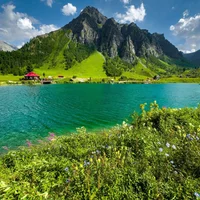
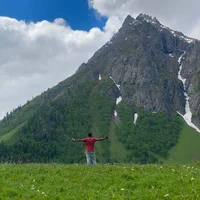
The Rupal Valley, situated within Gilgit-Baltistan's Astore District, can be reached via a 4x4 vehicle from Juglot along the Karakoram Highway approximately 60 kilometers south of Gilgit city. Accessible during June through September months due to favorable weather conditions, this valley offers an exceptional opportunity for nature enthusiasts and adventurers alike. The Rupal Valley is most renowned as a gateway that provides access to the world's highest mountain face –– namely, the mighty Rupal Face of Nanga Parbat (8126 meters).
Tips
This valley provides access to the highest mountain face in the world (Rupal Face). Tarashing is the main village and base for treks into the valley.
Frequently Asked Questions
When is the best time to visit Rupal Valley?
The best time to visit is during June, July, August and September. These months offer the most favorable conditions for visitors.
How do I get to Rupal Valley?
A 4x4 vehicle is required to reach Rupal Valley. Make sure your vehicle is in good condition for the terrain.
What should I know before visiting Rupal Valley?
This valley provides access to the highest mountain face in the world (Rupal Face). Tarashing is the main village and base for treks into the valley.
Is it safe to visit Rupal Valley?
Rupal Valley is generally safe for tourists, though travelers should avoid trekking alone due to the remote terrain and unreliable mobile signals. It is important to stay updated on local weather forecasts as the region is prone to flash floods and landslides during the monsoon season.
Is it possible to rent camping equipment directly in the valley?
Most trekkers bring their own gear, but local guides and organized tour operators in Astore can arrange for tents and sleeping bags to be transported to campsites like Goro.
Are there food options nearby?
Basic food options are available at local guesthouses and small restaurants in Tarashing and Rupal Village. Visitors are advised to eat light, freshly prepared meals and carry their own snacks and clean drinking water for trekking routes.
What are the toilet facilities like in Rupal Valley?
Facilities are very limited; while some organized base camps might set up temporary toilet tents, independent campers should be prepared for wild camping conditions.
Where are the best photography spots in Rupal Valley?
The most iconic photography spot is the base of the Rupal Face, which offers a massive, vertical view of Nanga Parbat. Sunset and sunrise provide excellent lighting for capturing the golden hues reflecting off the mountain's glaciers and the surrounding alpine meadows.
Are campfires allowed near the Nanga Parbat base?
Small campfires are generally permitted for warmth, but visitors must follow strict 'leave no trace' principles to protect the valley's fragile alpine environment.
Is parking available for private vehicles?
Limited parking is available in the main village of Tarashing, where most travelers leave their vehicles before starting their trek into the valley. If you are staying at a local guesthouse, they typically provide a small area for guests to park safely.
What wildlife might I encounter at night?
The valley is home to marmots and occasionally larger high-altitude wildlife; it is best to store food securely away from your sleeping area to avoid attracting animals.
How cold does it get at night in the valley?
Night temperatures frequently drop below 10°C even in summer, and it can become significantly colder near the glaciers, making high-quality sleeping bags essential.
Weather
Location
You might also like…
Similar attractions in Astore
Reviews
No reviews yet. Be the first to share your experience!
