
Nanga Parbat (eastern face)
Nanga Parbat (eastern face)
Nanga Parbat (eastern face)
About
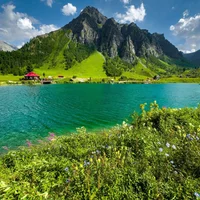
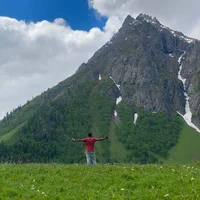
Nanga Parbat's eastern face (Rupal Face), standing tall at an elevation of 8126 meters and boasting the title as the world’s largest mountain face, is a formidable attraction in Gilgit-Baltistan's Astore District. The Rupal Face rises approximately 4,600 meters from its base to create one of mountaineering's most challenging landscapes for experienced climbers and trekkers alike.
Frequently Asked Questions
When is the best time to visit Nanga Parbat (eastern face)?
The best time to visit is during June, July and August. These months offer the most favorable conditions for visitors.
What is the elevation of Nanga Parbat (eastern face)?
Nanga Parbat (eastern face) is located at an elevation of approximately 8,126 meters (8.1 km) above sea level.
How difficult is the trek to Nanga Parbat (eastern face)?
The difficulty level of Nanga Parbat (eastern face) is rated as Hard — requires excellent fitness, prior trekking experience, and proper gear.
Do I need a guide for Nanga Parbat (eastern face)?
Yes, a guide is recommended for Nanga Parbat (eastern face). Hiring a local guide enhances safety and provides valuable insights about the area.
Is Nanga Parbat (eastern face) family-friendly?
Nanga Parbat (eastern face) may not be suitable for young children due to terrain or conditions. Consider the difficulty before bringing family.
What specific gear is recommended for the weather window on the Rupal Face?
Due to the extreme verticality of the Rupal Face, climbers need specialized technical gear including dual-rated ropes and high-altitude suits designed for temperatures that can drop below -40°C. The weather window is tight, so equipment must be lightweight enough for rapid movement during clear spells.
What logistics are available at the Rupal Base Camp?
The Rupal Base Camp, also known as Herrligkoffer Base Camp, is a lush meadow that serves as a staging ground with access to fresh water from glacial streams. While it is more accessible than other sides, expeditions must still arrange for all food and fuel to be transported via mules from the village of Tarashing.
How do rescue services operate on the world's highest mountain face?
Rescue operations on the Rupal Face are exceptionally difficult due to the sheer 4,600-meter wall; helicopters can typically only reach the base camp or lower slopes. Climbers must be prepared for self-rescue or rely on highly skilled high-altitude porters (HAPs) for any emergencies occurring on the face itself.
Are there specific environmental permits for the Rupal Side?
Visitors and expeditions are required to pay a waste management fee and adhere to 'Leave No Trace' principles enforced by local environmental authorities. For large expeditions, a deposit is often required to ensure all non-biodegradable waste is carried back down to Astore.
Weather
Location
You might also like…
Similar attractions in Astore
Reviews
No reviews yet. Be the first to share your experience!
