
Musa Ka Musala
Musa Ka Musala
Musa Ka Musala
About
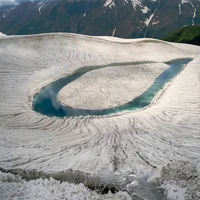
Musa Ka Musala is a challenging mountain peak situated in the Mansehra District of Khyber Pakhtunkhwa at an elevation of approximately 4,080 meters (13,392 feet). The trek to this snow-covered summit involves an arduous ascent through the Siran and Kaghan valleys. The peak is renowned for its striking resemblance to a prayer mat from afar—a sight that leaves locals in reverence. During favorable weather, Musa Ka Musala offers panoramic vistas of neighboring Himalayan and Karakoram ranges, showcasing the majesty of Pakistan's mountain landscapes.
Frequently Asked Questions
When is the best time to visit Musa Ka Musala?
The best time to visit is during June, July, August and September. These months offer the most favorable conditions for visitors.
What is the elevation of Musa Ka Musala?
Musa Ka Musala is located at an elevation of approximately 4,080 meters (4.1 km) above sea level.
How difficult is the trek to Musa Ka Musala?
The difficulty level of Musa Ka Musala is rated as Hard — requires excellent fitness, prior trekking experience, and proper gear.
Do I need a guide for Musa Ka Musala?
Yes, a guide is recommended for Musa Ka Musala. Hiring a local guide enhances safety and provides valuable insights about the area.
Is Musa Ka Musala family-friendly?
Musa Ka Musala may not be suitable for young children due to terrain or conditions. Consider the difficulty before bringing family.
How long does it take to explore Musa Ka Musala?
It takes approximately 12 hours to explore Musa Ka Musala. Plan accordingly.
What is the elevation gain at Musa Ka Musala?
The total elevation gain is approximately 1,800 meters.
Do I need a mountaineering permit to summit Musa Ka Musala?
Since the peak is below 6,500 meters, a formal mountaineering permit from the Ministry of Tourism is not required for domestic or foreign trekkers. However, foreigners must still adhere to standard visa regulations for the Khyber Pakhtunkhwa province.
What kind of expedition requirements should I prepare for a winter trek?
A winter expedition requires technical gear including crampons, ice axes, and high-altitude gaiters to navigate the heavy snow on the final ridges. Trekkers should also prepare for an extra day of acclimatization due to the increased physical demand in sub-zero temperatures.
Is there a designated base camp with facilities?
The primary base camp is typically set up at Masjid Wali Behak or Khori, where you will find flat ground for camping and access to natural water springs. There are no permanent structures or shops, so all food and fuel must be transported from Mandagucha or Jacha.
What is the typical weather window for a successful summit attempt?
For summer trekking, the window is July through September when the trails are dry. For experienced winter climbers, the best window is late January to February, though this requires monitoring for avalanche risks after heavy snowfall.
Weather
Location
You might also like…
Similar attractions in mansehra
Reviews
No reviews yet. Be the first to share your experience!